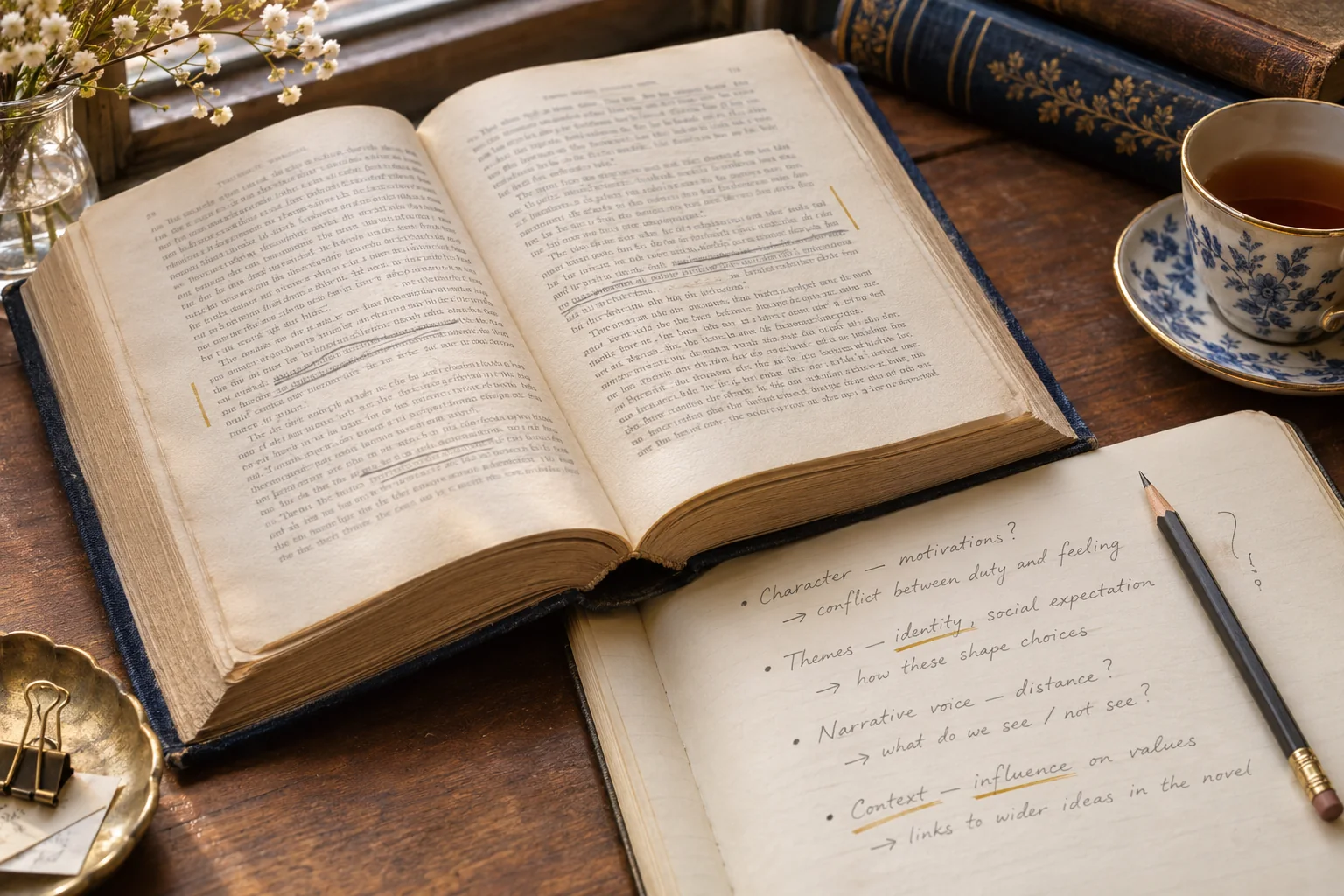
From the Spellbound Journal
Hubris: When Confidence Becomes a Character’s Weakness
Use hubris precisely in your literature essays, with examples from Macbeth, Ozymandias and An Inspector Calls.
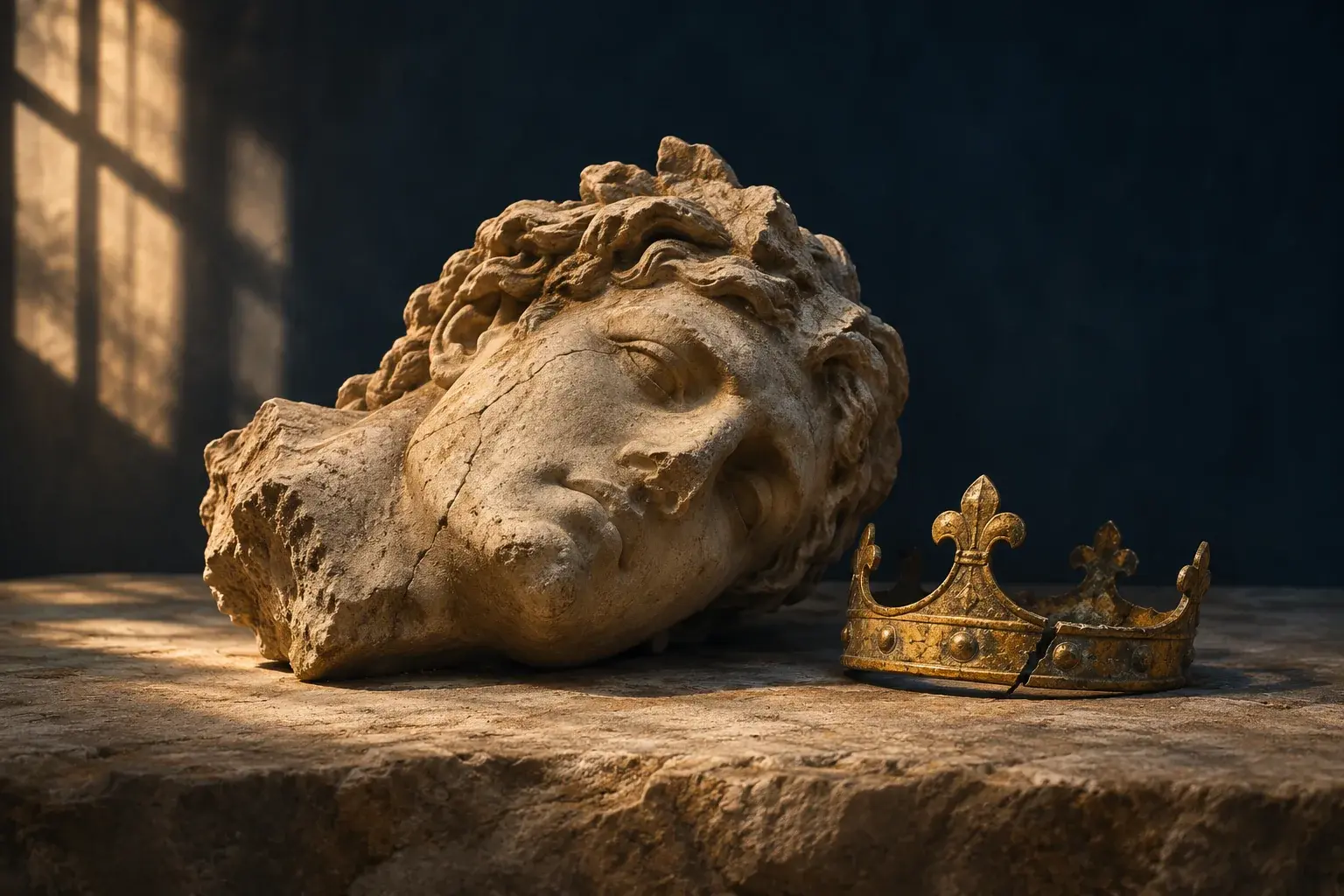
Macbeth, Ozymandias and Mr Birling belong to very different texts. Yet each gives you a way to explore what happens when someone becomes too certain of their own power or judgement.
For Word Wizard Wednesday, I chose hubris: excessive pride or self-confidence that can distort judgement and contribute to failure. Pronounced “HYOO-bris”, it is a useful word for literary analysis when you can explain exactly how that excessive confidence works.
Confidence is not automatically hubris
A character can feel confident, celebrate an achievement or make a difficult decision without demonstrating hubris. The important question is whether their pride prevents them from recognising a limit, danger or responsibility.
Rather than simply replacing “arrogant” with “hubristic”, ask what the character believes, what they fail to see and what follows from that failure.
In my Instagram post, I called this the Spellbound Hubris Cycle: pride develops into overconfidence, which creates blindness, encourages reckless action and can lead towards downfall. Treat it as a set of questions to explore. Not every text will show every stage in the same way.
Macbeth: trusting the promise of safety
As the play develops, Macbeth places dangerous confidence in the apparitions’ assurances. He hears possibilities that appear to protect him, but fails to consider how those promises might conceal meanings he has misunderstood.
That gives you something more precise to write than “Macbeth is proud”. His apparent certainty makes it harder for him to recognise his vulnerability. Shakespeare allows the audience to watch the gap widen between the security Macbeth imagines and the danger he actually faces.
You could develop this into an argument about the limits of power: possessing the crown does not give Macbeth control over the future, however strongly he believes he can secure it.
Ozymandias: a claim the landscape contradicts
Shelley’s ruler expects his greatness to overwhelm anyone who encounters his monument. The ruined statue and surrounding emptiness undermine that claim.
Hubris is useful here because it helps you connect the ruler’s self-image with the poem’s presentation of time and power. The monument is intended to preserve authority, yet its damaged condition exposes how fragile that authority has become.
For example:
Shelley exposes the ruler’s hubris by setting his claim to lasting greatness against the remains of his monument. The contrast suggests that political power cannot guarantee the permanence Ozymandias imagines.
The analytical work comes from the contrast you explain. The word “hubris” gives that argument a precise name.
Mr Birling: certainty that weakens authority
Early in An Inspector Calls, Mr Birling speaks confidently about the Titanic’s safety. The audience’s knowledge of its fate makes that certainty a source of dramatic irony.
Priestley gives the audience a reason to doubt Birling’s judgement before considering his views on social responsibility. His confidence helps establish the authority he claims, while the error exposes its weakness.
Be careful with the final stage of the cycle here. Birling’s undermined credibility is not identical to Macbeth’s tragic downfall or the destruction of Ozymandias’s monument. A strong answer explains the particular consequence the writer presents.
Use the word inside an explanation
“Macbeth shows hubris” identifies an idea, but leaves the reader waiting for your reasoning. Develop it by naming the belief and the limit the character overlooks.
Try this as a starting point:
The character’s hubris is revealed through their belief that…, which prevents them from recognising…
Then add evidence and explain a writer’s choice. You might examine a confident declaration, an ironic contrast or the placement of a moment before later events overturn it. Follow the sentence where the evidence leads rather than treating the prompt as a fixed essay formula.
A short revision challenge
Choose one of your set-text characters. Write down what they are certain about, then find a moment that challenges that certainty. Can you explain the connection in three sentences?
If the evidence shows ambition, insecurity or ordinary confidence more clearly than hubris, use the more accurate word. Precise thinking matters more than impressive vocabulary.
My Word Wizard Wednesday post on hubris introduces these connections. Try returning to it after writing your paragraph and checking whether you have explained the consequences as well as the pride.